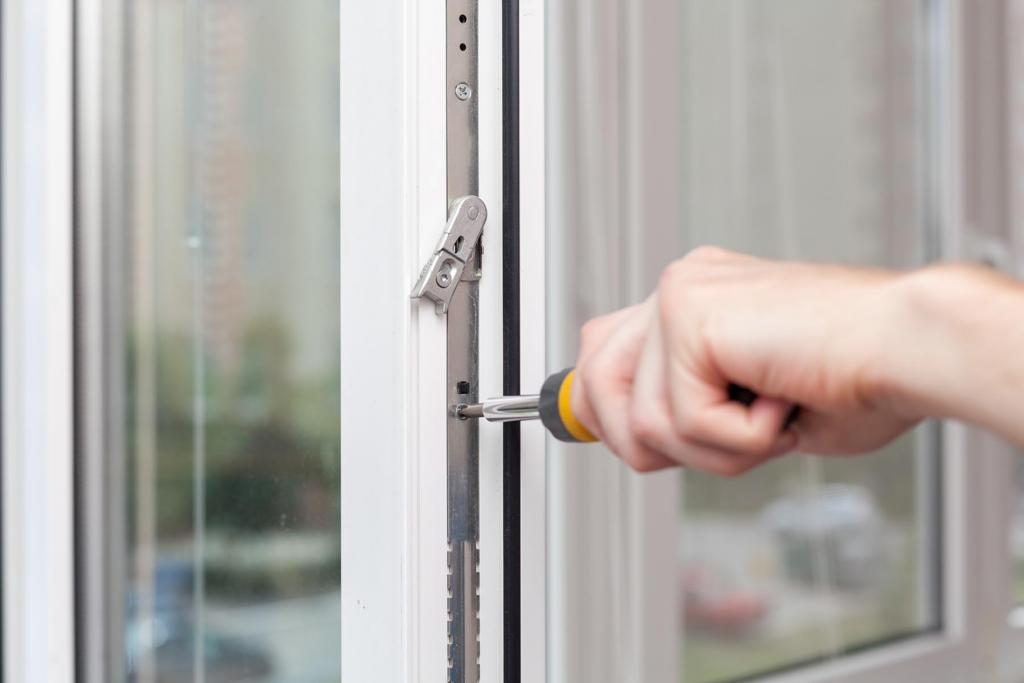
Window Inspection: Ensuring Safety, Energy Efficiency, and Longevity
Windows play a pivotal function in the total performance of a structure, impacting everything from aesthetics to energy performance. Among the numerous elements of home maintenance, window inspection is frequently neglected however is necessary for guaranteeing longevity, security, and minimized energy expenses. This short article will explore the significance of window evaluations, detailed steps included, typical concerns that might occur, and best practices for preserving windows.
Why Window Inspections Matter
Window assessments are vital for a number of reasons:
- Energy Efficiency: Poorly sealed or harmed windows can result in significant heat loss or gain, leading to increased energy expenditures.
- Security: Inspecting windows assists determine structural weaknesses that could result in safety dangers, such as falling panes or vulnerable gain access to points for burglars.
- Aesthetic Appeal: Clean and properly maintained windows add to the total visual appeal of a property.
- Preventative Maintenance: Regular inspections can capture possible issues before they end up being expensive repairs.
When to Schedule a Window Inspection
It is recommended to have a window inspection a minimum of two times a year. The best times for these assessments are:
- Spring: To examine any winter damage and prepare for warmer weather condition.
- Fall: To examine for any summer-related wear and tear before chillier months.
Actions for Conducting a Comprehensive Window Inspection
An extensive window inspection consists of a number of essential steps, which can be conducted by house owners or professional inspectors.
1. Visual Inspection
- Check for Cracks: Look for any visible damage to the window frame, panes, and seals.
- Check the Caulking: Ensure that the caulking around the windows is intact and not peeling or breaking.
- Examine the Screens: Screens ought to be without holes and tears.
2. Operational Check
- Open and Close Windows: Ensure that all windows run efficiently and lock firmly.
- Inspect Hinges and Locks: Look for rust, deterioration, or any mechanical failure in hardware.
3. Energy Efficiency Evaluation
- Conduct a Test for Air Leakage: Use a lit incense stick near the window edges. If Repair My Windows And Doors moves horizontally, there is likely an air leak.
- Examine for Condensation: Look for wetness in between double or triple-paned windows, indicating seal failures.
4. Tidiness
- Clean the Glass: Dirty windows effect visibility and looks. Wipe down the glass inside and out.
- Clear Frames and Sills: Remove any dirt, particles, or mold from window frames and sills.
5. Final Assessment
- Tape-record the condition of each window and keep in mind any locations that need instant attention or repair work.
Common Window Problems and Solutions
| Problem | Description | Option |
|---|---|---|
| Air Leaks | Air goes into through cracks or spaces. | Re-caulking or weatherstripping. |
| Condensation | Wetness structure in between panes. | Change the window unit. |
| Hard Operation | Windows do closed or close smoothly. | Oil hinges or replace faulty hardware. |
| Misting or Cloudiness | Cloudy appearance indicates seal failure. | Change the glass pane or entire window. |
| Decayed Frames | Wood frames that have taken in wetness. | Repair or change the afflicted wood. |
Best Practices for Window Maintenance
To prolong the life of windows and enhance efficiency, homeowners need to follow these best practices:
- Regular Cleaning: Clean windows at least twice a year using suitable glass cleaners.
- Inspect Regularly: Follow the seasonal schedule for evaluations and participate in to minor problems before they intensify.
- Keep Caulking: Regularly check and reapply caulking as necessary to guarantee that air and water do not penetrate.
- Use Weatherstripping: Install or change weatherstripping on moving parts to enhance energy performance.
- Consider Professional Help: For serious concerns, employing a professional window inspector might be sensible to guarantee comprehensive evaluation and repair work.
Frequently Asked Questions about Window Inspection
Q1: How typically should windows be checked?
A: It is advisable to examine windows a minimum of twice a year, preferably in spring and fall.
Q2: Can I check my windows myself?
A: Yes, property owners can carry out visual examinations and standard functional checks, but professional evaluations are recommended for more comprehensive assessments.
Q3: What are the signs that I need to change my windows?
A: Signs include considerable air leaks, condensation in between panes, excessive utility bills, and visible damage such as rot or broken frames.
Q4: How much does it cost to have windows professionally inspected?
A: The expense of a professional window inspection can vary extensively depending on location, property size, and inspector proficiency however typically ranges from ₤ 100 to ₤ 300.
Q5: What is the best season for window repairs?
A: Repairs are most easily made in mild seasons such as spring or fall when temperature levels are comfortable for working outside.
Window evaluations work as a proactive method to maintaining one of the necessary features of a structure. By understanding the significance and procedures behind these evaluations, homeowners can ensure their windows remain safe, efficient, and beautiful. Routine attention to window maintenance translates to better energy efficiency, minimized long-lasting expenses, and enhanced security for the home. A little financial investment in window inspections today can result in considerable savings and assurance in the future.